A Short Guide on Selecting the Right Outdoor Kitchen Burner

Choosing an outdoor kitchen burner may seem minor, but it shapes how smooth your cooking feels each time you light it. On some evenings, you simply want a steady flame without constant adjustment.
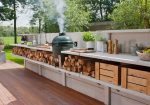
Looking at Whistler Cirencester outdoor kitchens on BBQs2u pages shows how thoughtfully the burner fits the cooking flow, with proper space and protection. That perspective helps when selecting a burner on its own.
Think About What You Actually Cook Outside
People often buy burners based on looks or price. A better way is to think about cooking habits first.
- Do you cook for many people at once?
- Do you use large pots or flat pans?
- Do you need fast boiling heat?
- Or do you cook slow dishes that need gentle flame control?
Your answers matter more than any product description.
Understanding BTU Without Getting Too Technical
BTU simply tells you how much heat the burner can produce. You don’t need to memorise numbers, just understand ranges.
- 5,000-10,000 BTU: Good for slow cooking and simmering
- 10,000-15,000 BTU: Works well for everyday cooking
- 15,000+ BTU: Ideal for quick heating and large cookware
Having a mix of heat levels gives you flexibility. One powerful burner and one moderate burner can often be a practical combination.
Build Quality Is Not a Minor Detail
Outdoor burners don’t live easy lives. Sun, dust, rain, temperature swings, they deal with everything.
Look for:
- Stainless steel body
- Strong, stable pan supports
- Durable knobs
- Reliable ignition
A lightweight burner may seem fine at first, but it starts showing wear surprisingly quickly.
Wind Can Ruin a Good Flame
This is something many people realise only after using the burner outside.
A well-designed outdoor burner usually has:
- Wind protection or a recessed flame area
- Even flame spread
- Ignition that works in open air
These small things make daily cooking less frustrating.
A Practical Review Perspective
Burners placed within a well-planned kitchen layout often work better in everyday use. The structure around them shields the flame, provides usable workspace, and makes cooking feel more natural. You begin to notice that placement matters as much as power.
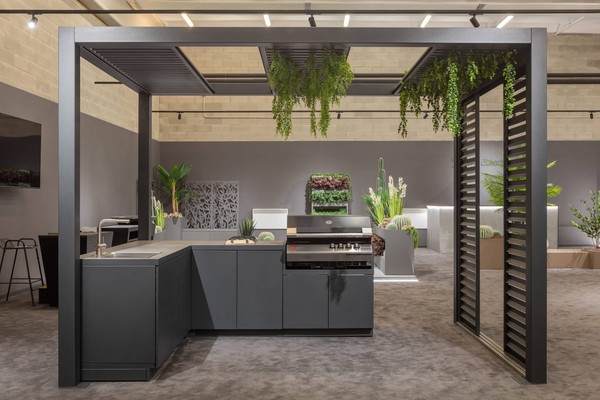
Viewing complete kitchen displays helps, too. Seeing burners beside prep areas and storage offers a clearer picture of real cooking flow than choosing a standalone unit based only on specifications.
Size and Placement Matter More Than Expected
Before buying, check your cookware sizes. Large pans on small burners lead to uneven heating.
Also ensure:
- Enough space around the burner
- Safe gap from preparation areas
- Comfortable height for stirring and lifting
These practical details affect you every time you cook.
Ignition and Fuel Convenience
Pay attention to simple things:
- Push-button or manual ignition
- LPG or natural gas compatibility
- Easy-to-reach controls
Small conveniences add up over time.
Bringing It All Together
Looking at setups like the Whistler Cirencester blockley kitchen makes it clearer how burner selection fits the wider outdoor cooking space. BBQs2u pages highlight practical placement. The key takeaway is simple: choose a burner that matches your cooking style, space, and frequency of outdoor use.