Important Things To Know About Choosing A Plant Maintenance Provider

In a setting of power plants, maintenance refers to the methodical care and repair of machinery, infrastructure, and equipment. This is to ensure that everything functions effectively, safely, and dependably.
It includes a variety of tasks that all work simultaneously to prevent malfunctions. Thus, safeguard your assets. This is achieved through maintenance management, maximizing performance, and minimizing downtime.
You must comprehend all of these various facets of maintenance services. And, how they support you in upholding strict safety and efficiency standards. Especially if you work at a power plant.
Maintenance Services
- Preventive
Regularly planned chores aim to stop equipment breakdowns before they happen. Depending on the equipment and how it is used. This kind of upkeep might be performed on a regular basis.
- Predictive
This makes use of cutting-edge technologies to track the state of machinery and forecast when repairs are necessary. This type of Power Plant maintenance is done to predict errors before they occur. This method uses data gathered from monitoring systems like sensors.
- Reactive
Sometimes referred to as corrective, entails fixing equipment following a malfunction. Although this kind of task is required to deal with unforeseen problems. It is usually more expensive and disruptive than predictive or preventative.
- Condition-Based
To assess if prolongation is necessary, this task entails keeping an eye on the machine’s real state. Instead of depending on a set timetable. This method makes educated recommendations about when servicing should be done using real-time data.
Factors Affecting Servicing Costs
- Machinery’s Age
In general, older equipment needs more regular and thorough preservation, which raises expenses. You decide if it is worthwhile to spend money on upkeep and repairs. Or whether replacing machine pieces per piece would be more cost-effective in the long run.
- Intensity of Operations
There may be additional wear and tear on energy plants running at or close to full capacity. This would increase conservation requirements.
- Technology
Automation and sophisticated predictive continuity systems can initially increase expenses. But they frequently save money over time.
How to Pick the Best Service Provider
Even a partial plant stoppage can have a big effect on your revenue. That’s because it directly reduces yield.
You can mitigate this risk by selecting an Operations and Maintenance (O&M) provider that is dependable and responsive. Here is a summary of the important factors you should take into account to make the best decision. Especially now that more energy plants are being proposed in Texas. Look at https://www.power-eng.com/gas/over-100-new-gas-fired-power-plants-have-been-proposed-in-texas/ to read further.
- Technical Proficiency
Each plant has its own set of management needs for both upkeep and operations. When choosing your O&M provider, you should consider the following technical factors:
- The O&M provider’s familiarity with various plant types, including solar, hydraulic, wind, biomass, etc.
- Its capacity to operate on any kind of machine. Both in terms of equipment brands and technical parts.
- Certifications and authorizations held by employees. For example, the AQPV for solar systems.
- The presence of an internal tech support department capable of handling both general and specialized problems.
- Continuous education for technicians to stay up to date with changes in the market.
- Extra Revolutionary Services
Some suppliers set themselves apart by providing extra services:
- Modernizing, improving, and extending the lifespan of inefficient power plants;
- A marketplace where spare parts can be purchased, repaired, and resold.
- Adaptability and Flexibility
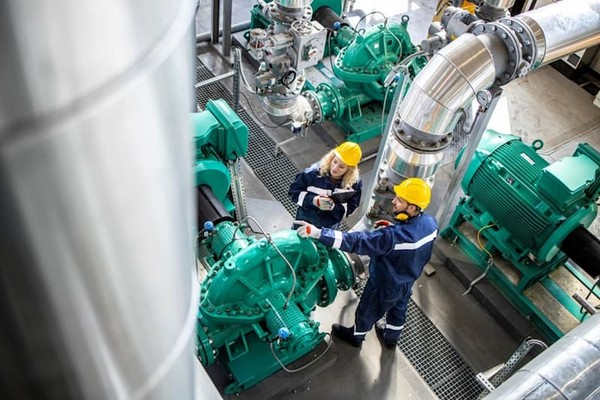
The selected supplier must be able to adjust to the organization’s continuity system. Also, to incorporate its own techniques with the tools and procedures already in place.
To guarantee seamless and efficient operations. It must be able to create efficient coordination with on-site workers. That’s if it is just partially responsible for the prolongation.
- Services that the Supplier Offers
O&M suppliers offer a wide range of services, which differ from one business to the next:
- twice-yearly preventive conservation;
- productive and remedial prolongation in the event of a failure;
- remote monitoring using a control hub that generates tickets for global interventions;
- knowledge, diagnostics, and consultation to maximize current equipment.
- O&M Training
All of the employees involved are the target audience for this training program – read here to learn more. It includes operators, engineers, technicians, craftspeople, and management.
The goal is to teach methods used in the most advanced power plants. In this way, they can continuously evaluate the rate of equipment deterioration. Also, to analyze and interpret this data. And then, apply predictive maintenance.
- Availability and Reactivity
Power plants need to be continuously observed and assessed. For this reason, you should be aware of the locations of your provider’s branches. And whether or not its experts are on the go.
Useful queries to think about:
- What nations or areas does the provider operate in?
- What is the structure of on-call schedules?
- Is it able to help reduce production downtime at any time and from any location?
- Protection and Safety
The provider’s dependability is a major factor in your peace of mind. It will be able to take precautions, such as fines, if it’s financially secure.
- for longer reaction times;
- If your plant cannot run at least 99 percent of the time. An Infrastructure Availability Commitment is needed.